The wait is over, and the first mandatory Making Tax Digital for Income Tax Self-Assessment (MTD for ITSA) quarter is officially behind us. Sole traders and landlords with qualifying income over £50,000 faced their first filing deadline on 7 August 2026.
Although all went well for many, for some it was far from seamless. Practitioners and taxpayers alike encountered a range of teething problems, software glitches and process confusion.
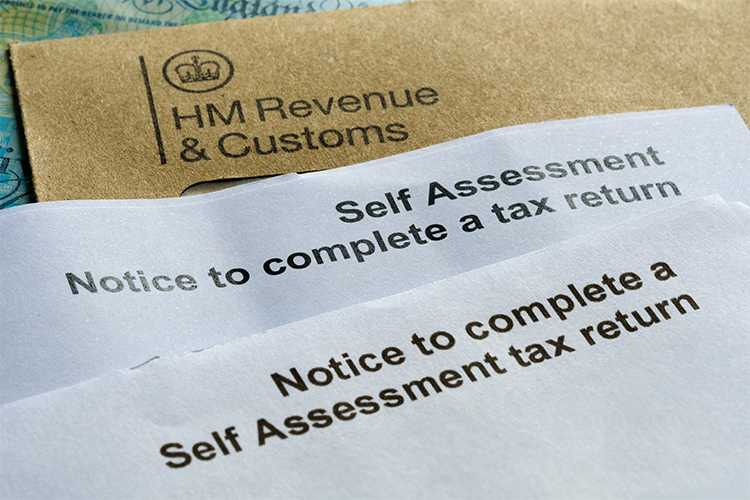
The wait is over, and the first mandatory Making Tax Digital for Income Tax Self-Assessment (MTD for ITSA) quarter is officially behind us. Sole traders and landlords with qualifying income over £50,000 faced their first filing deadline on 7 August 2026.
Here is our roundup of how the first quarter went for us and our clients, the software issues currently affecting filings, and what you need to do next.
One of the biggest headaches for many users was a technical date-range error between HMRC’s data feeds and accounting software such as QuickBooks and Xero.
The Problem: The standard UK tax year quarter runs from 6 April to 5 July. However, on some occasions, when software attempted to pull digital data from HMRC, it defaulted to fetching incorrect dates that did not match the actual quarter start and end dates. Because HMRC’s system strictly expects the official start date of 6 April, these submissions were rejected.
The Fix Timeline: HMRC expected this data-pull bug to be resolved by early September 2026. In the meantime, it has left many taxpayers and business owners stuck and unable to complete their Q1 filings.
Even setting aside the date glitch, setting up digital link pathways proved trickier than expected.
Bridging Software Errors: Those using spreadsheets alongside bridging software experienced frequent authorisation errors when linking to HMRC online accounts, creating additional frustration close to submission deadlines. While bridging software can currently be used, HMRC’s approach to its use may change in the future. For businesses looking for a more robust long-term solution, cloud accounting software such as QuickBooks or Xero can provide greater accessibility, real-time information and easier collaboration with their accountant.
Multiple Income Streams: Landlords who also have sources of self-employed income found setting up separate, parallel digital feeds for property and trade income cumbersome and time-consuming. This is because taxpayers are required to submit quarterly updates for each source of self-employment and property income.
Automated bank feeds can be a great time-saver, but only when they are kept up to date and regularly reviewed. Unassigned expense categories, duplicate transactions, incorrectly coded items, and personal and business expenses being mixed can quickly create additional work when a quarterly update is due.
Rather than waiting until the deadline approaches to bring the bookkeeping up to date, maintaining accurate records throughout the quarter can make the MTD process much more straightforward. Regularly reviewing bank transactions, correctly categorising income and expenses, and keeping personal and business transactions separate means there is less work to do when it is time to prepare and submit the quarterly update.
Good bookkeeping is therefore an important part of preparing for MTD for Income Tax. By keeping records organised as you go, business owners can reduce the time spent on last-minute corrections and have a clearer picture of their business finances throughout the year. This is another reason why we advocate the use of cloud-based accounting software.
There was widespread concern leading up to August that quarterly updates required full accounting adjustments, such as stock valuations, accruals or capital allowances.
HMRC has reiterated that quarterly updates are simply digital summaries of income and expenses. Formal tax and accounting adjustments, such as accruals and prepayments, capital allowances and disallowable expenses, do not need to be made as part of the quarterly update and can instead be dealt with as part of the end-of-year tax return.
If your submission was delayed due to technical glitches or record-keeping issues, keep the following in mind:
Penalty Relief: HMRC has confirmed that there are no penalty points for missing quarterly update deadlines during the 2026/27 tax year. You will still need to submit your quarterly updates before you can submit your tax return, but a late Q1 quarterly update will not result in a penalty point.
Cumulative Reporting: MTD quarterly updates are cumulative, with each update covering the period from the start of the tax year to the end of the relevant update period. This means mistakes or missing figures can be corrected in your digital records and reflected in your next quarterly update without having to resubmit an earlier update.
Anyone who was unable to file their first quarterly update should still aim to submit it as soon as possible rather than waiting for the second quarterly deadline.
It is important to keep checking between now and the expected HMRC software glitch fix to see whether it is possible to submit the outstanding update. This will help ease the pressure when it comes to preparing and filing the second quarterly update.
The second quarterly update covers the period up to either 30 September or 5 October, depending on whether calendar or standard update periods are being used, and must be submitted to HMRC by 7 November 2026.
With HMRC’s software fix expected in early September, the window between resolving outstanding Q1 issues and preparing Q2 will be short.
From September 2026, HMRC will begin signing up those who were required to use MTD for Income Tax from 6 April 2026 but have not already signed up. This applies to sole traders and landlords whose qualifying income was over £50,000 for the 2024/25 tax year.
Whether you are struggling with software integration, trying to clean up your digital records, or simply want peace of mind that your quarterly updates are accurate and submitted on time, Optimum Professional Services is here to help.
Our expert tax and accounting team can handle your MTD setup, manage or support your quarterly submissions, and help keep your business fully compliant.
Please get in touch with the team to find out how we can help.